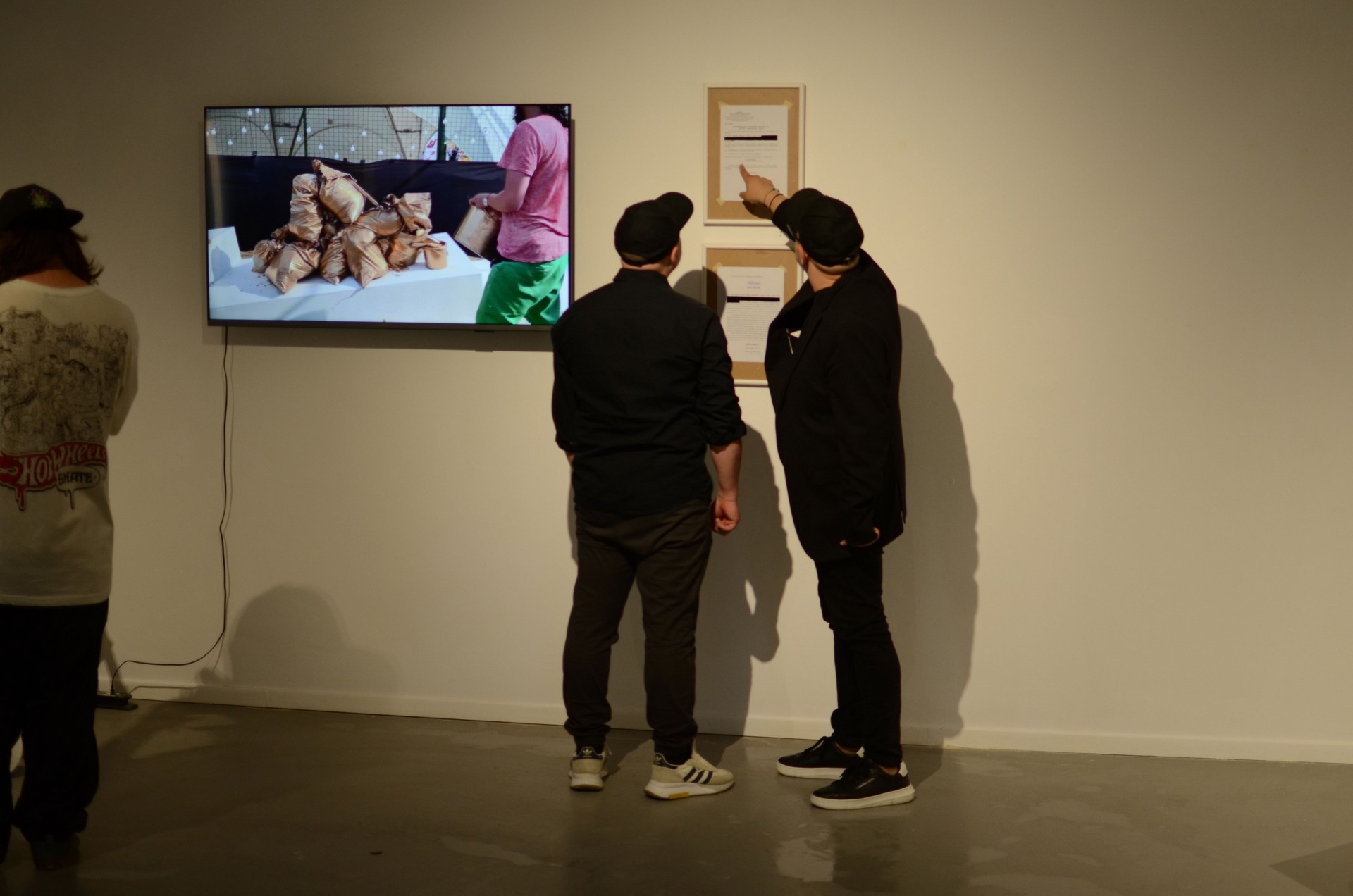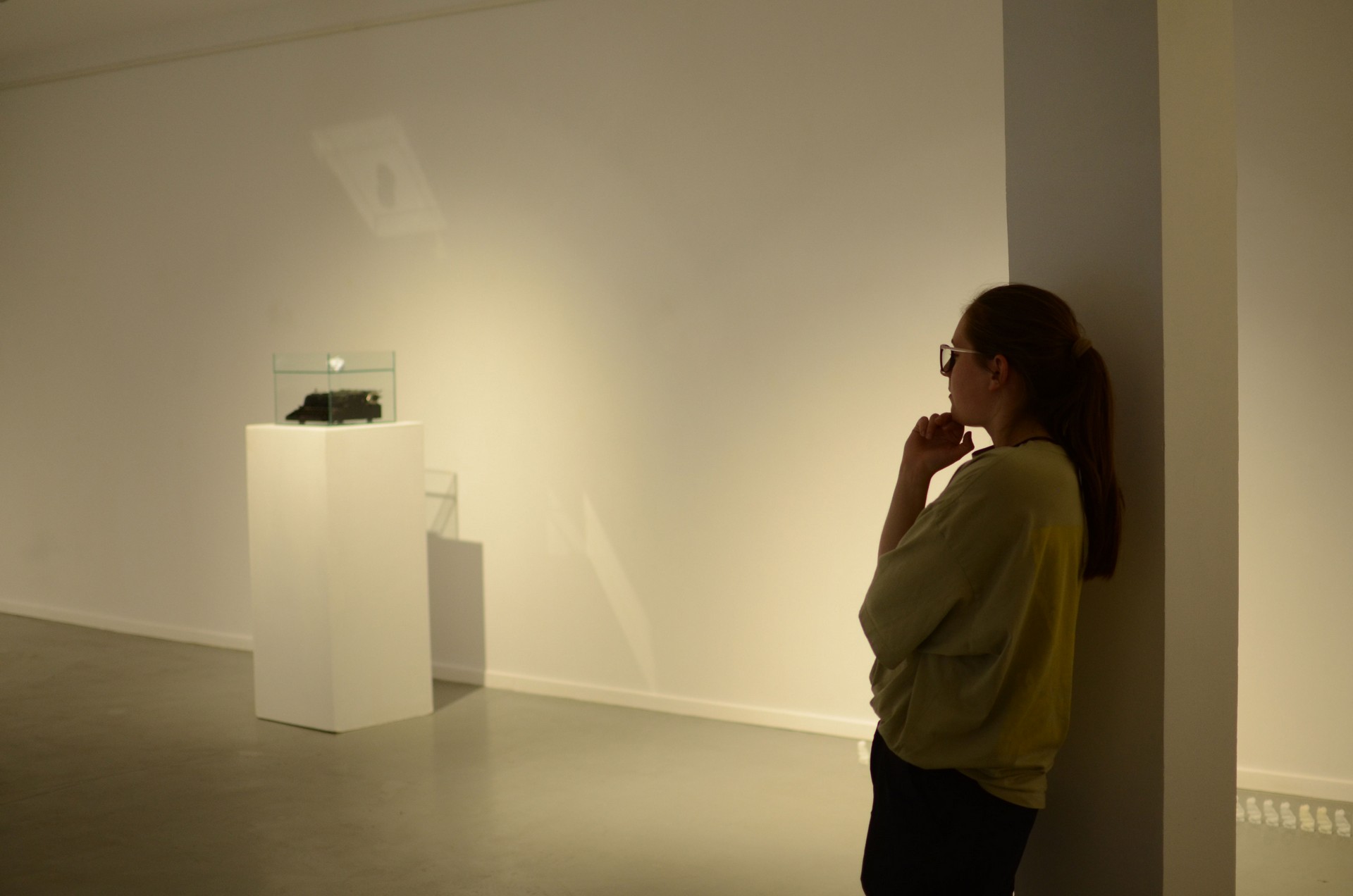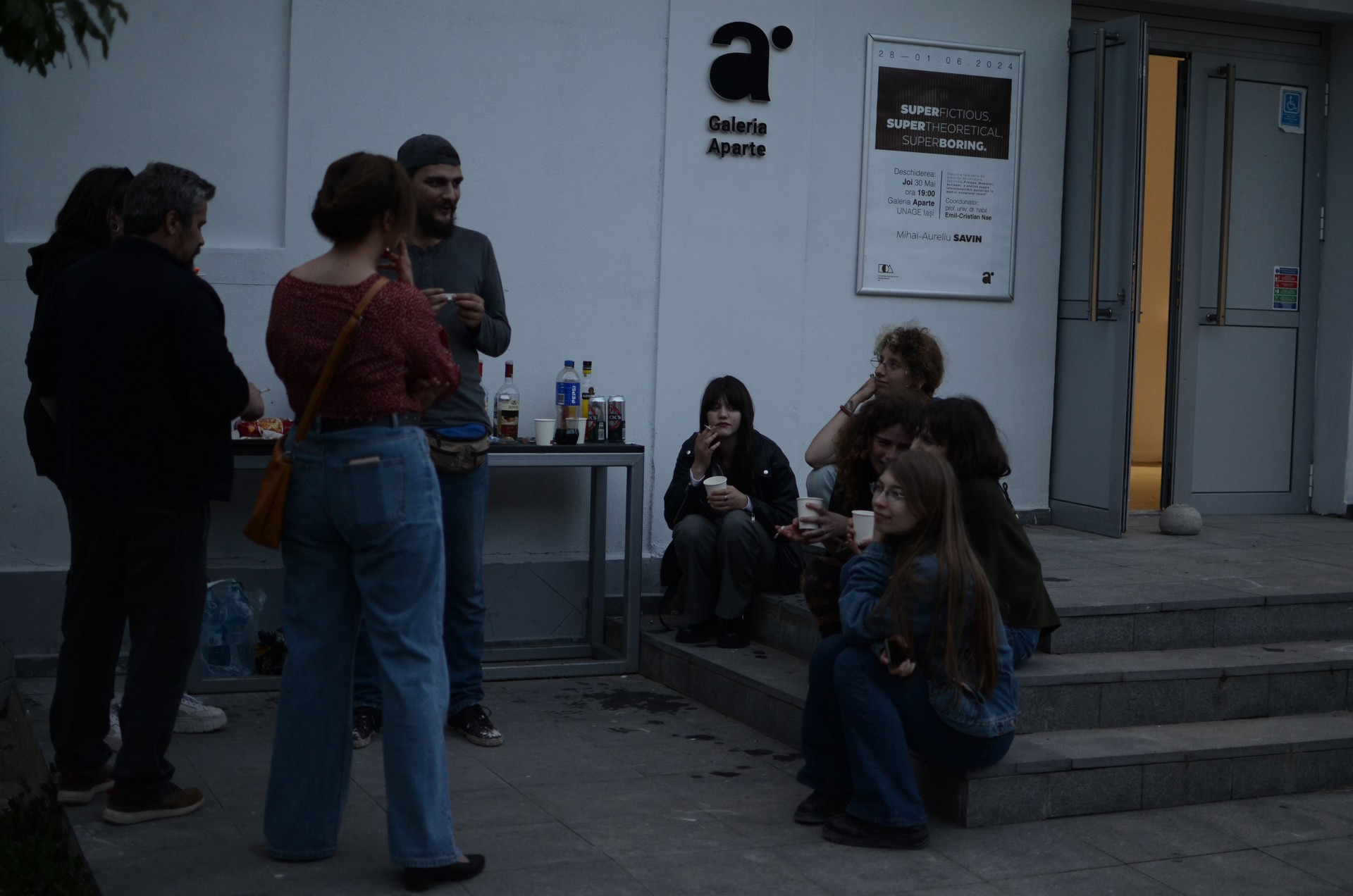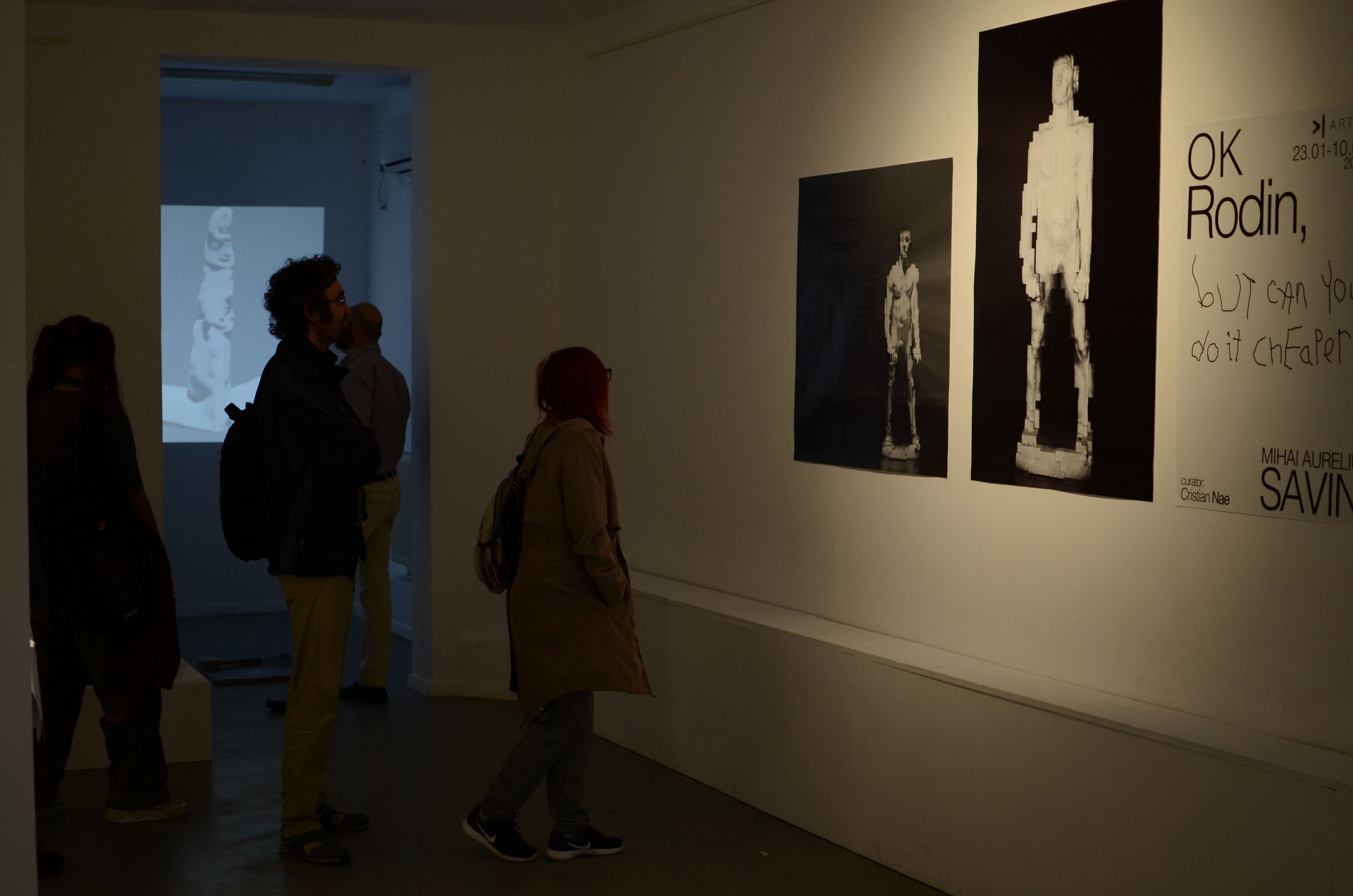
Curated by Cristian Nae; Photographed by Cătălin Marinescu
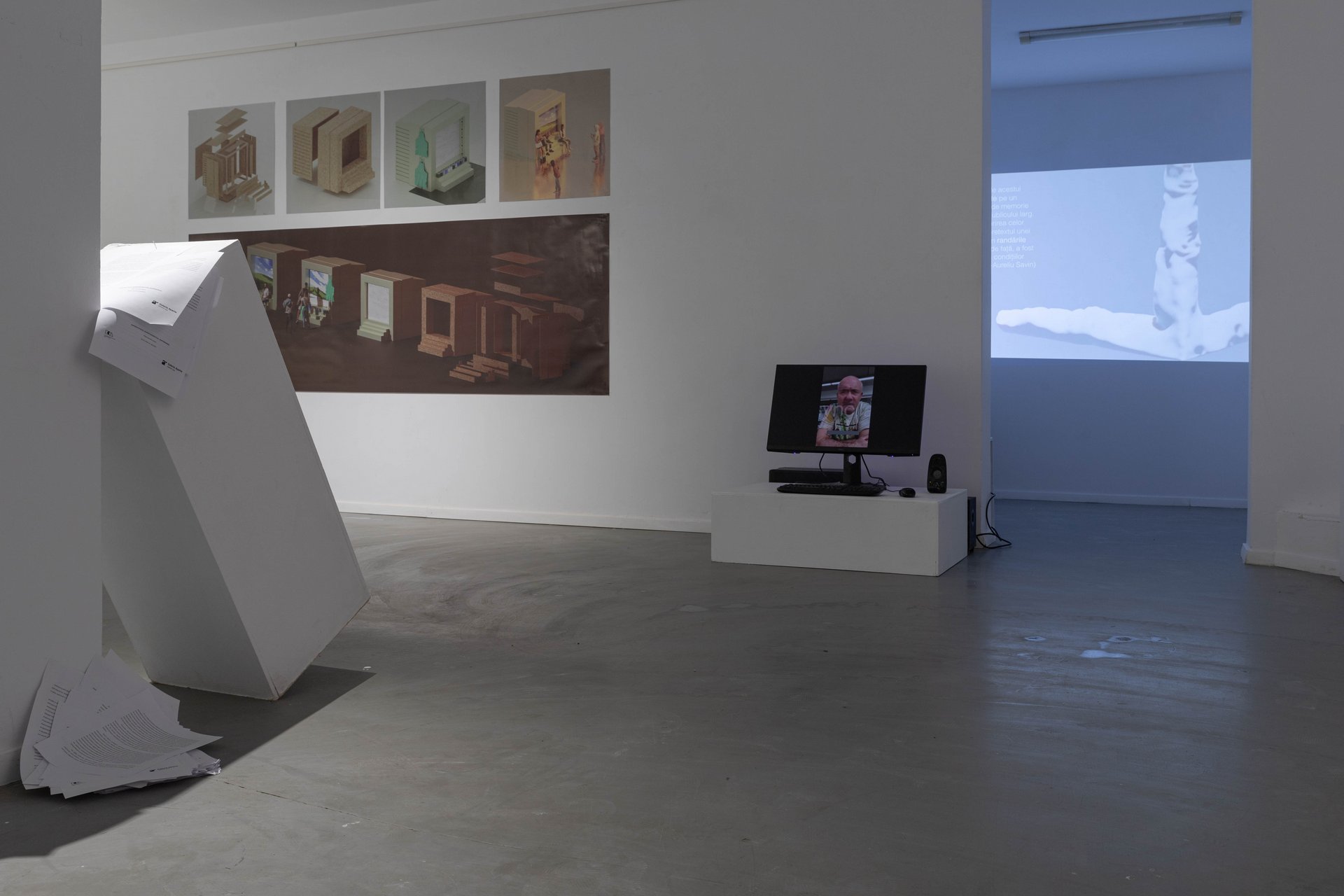
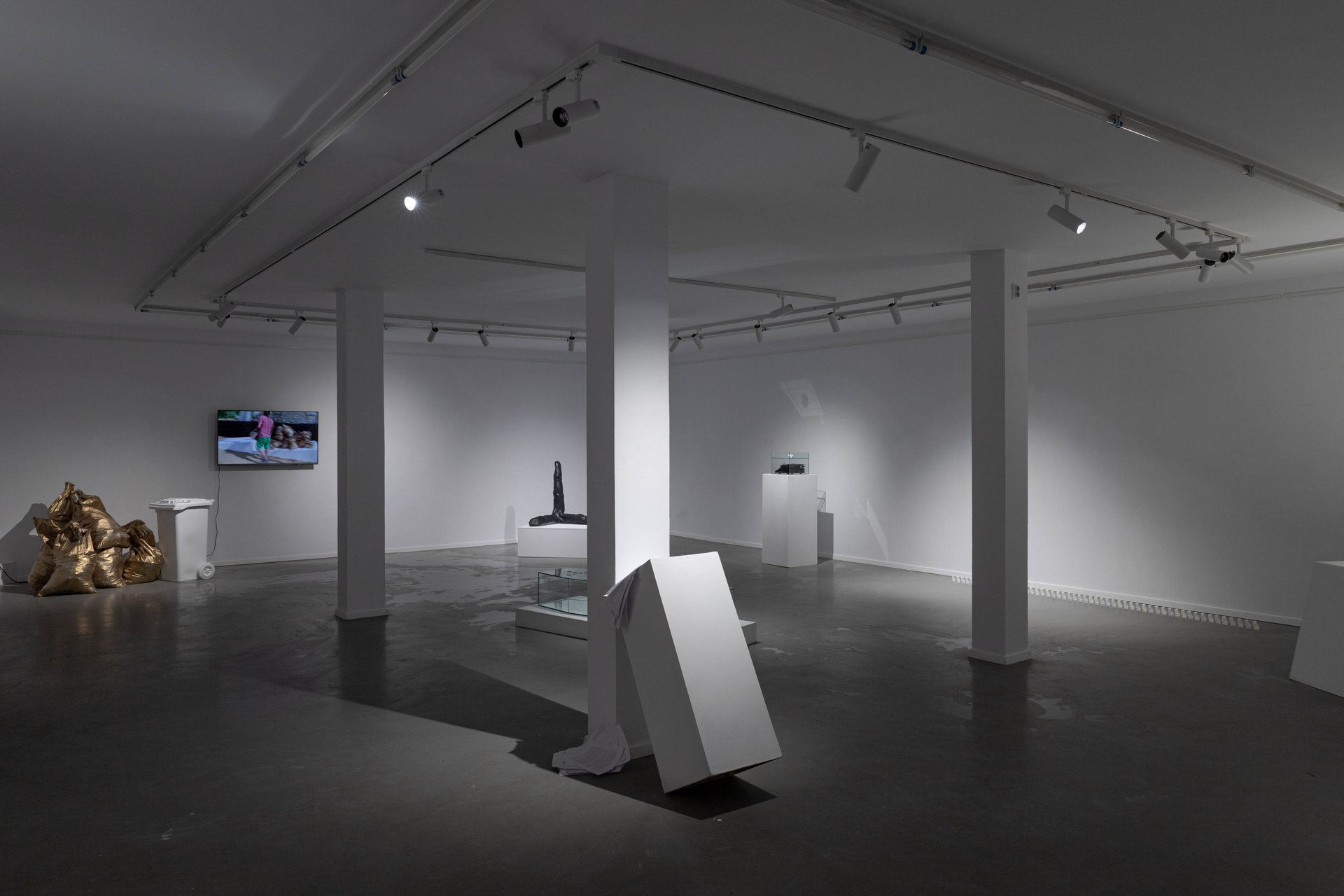
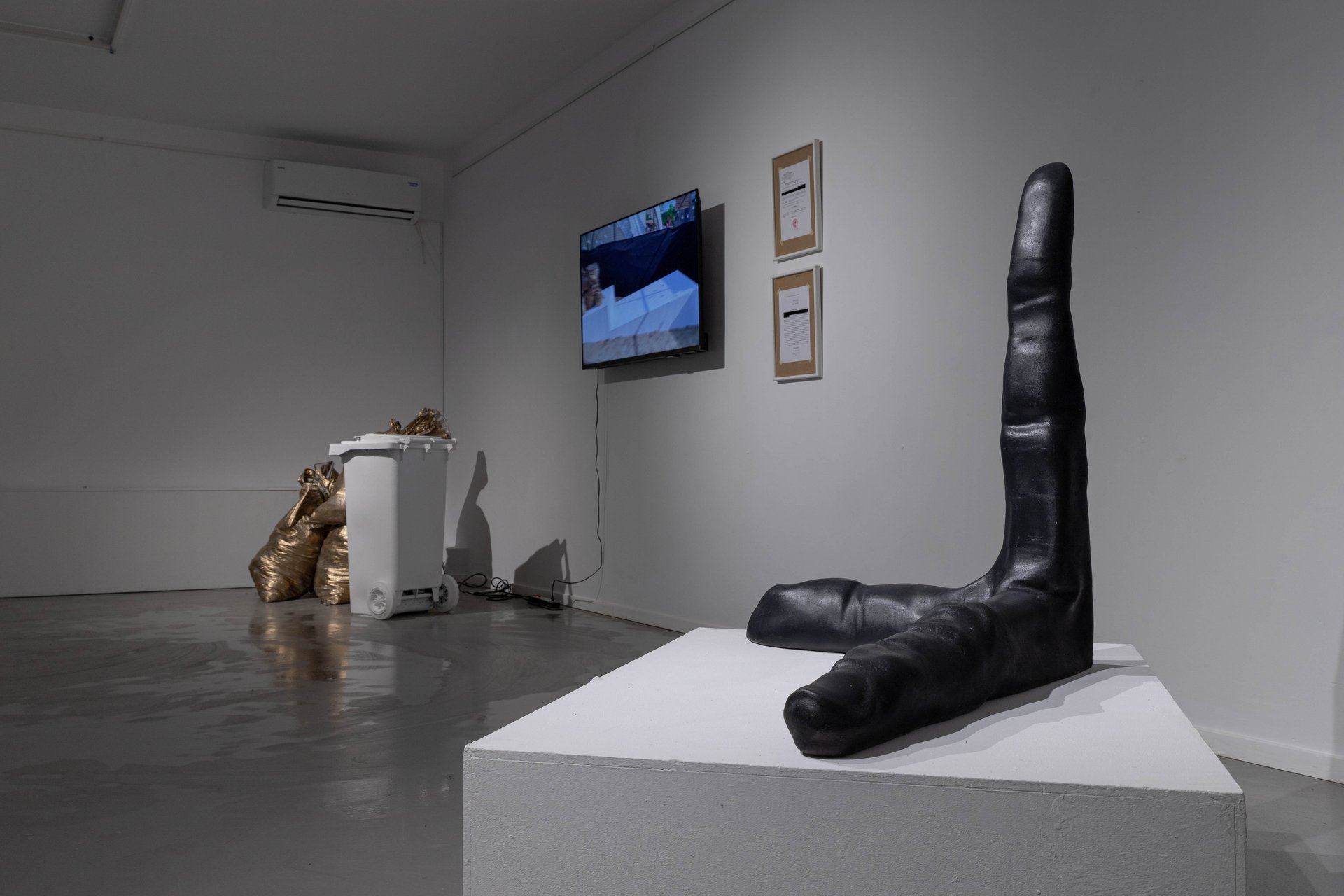
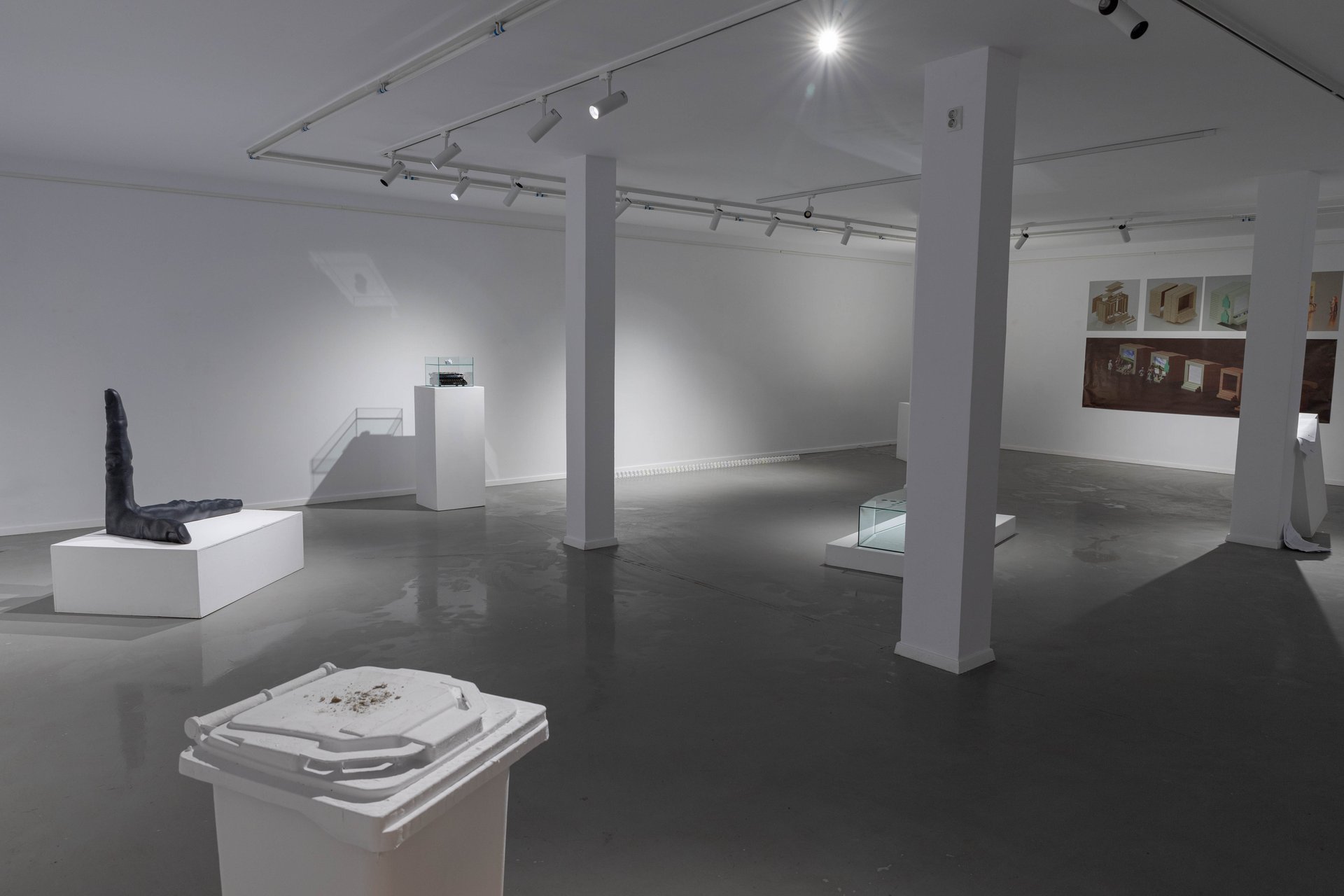
CURATOR’S STATEMENT
To what
extent are we willing to accept that the object of artistic production can consist of self-questioning? How can the exploration of its own conditions
of existence and the mechanisms that legitimize, regulate, and define the journey from concept to artistic object as the terminus of the creative
process be presented within the conventional frameworks of an art exhibition?
How tedious is such an endeavor of rigorous analysis of the sculptural
medium—and how dull does the game become within these conventions once they are
identified and understood? To what extent can we falsify, in the digital age, artistic
and curatorial identity, and what limitations are imposed on artistic
productions in which the mediators of artistic information become
themselves subjects of the artistic discourse—a discourse that thus seeks to
reclaim its capacity for agency and autonomy from an authorial
perspective?
The
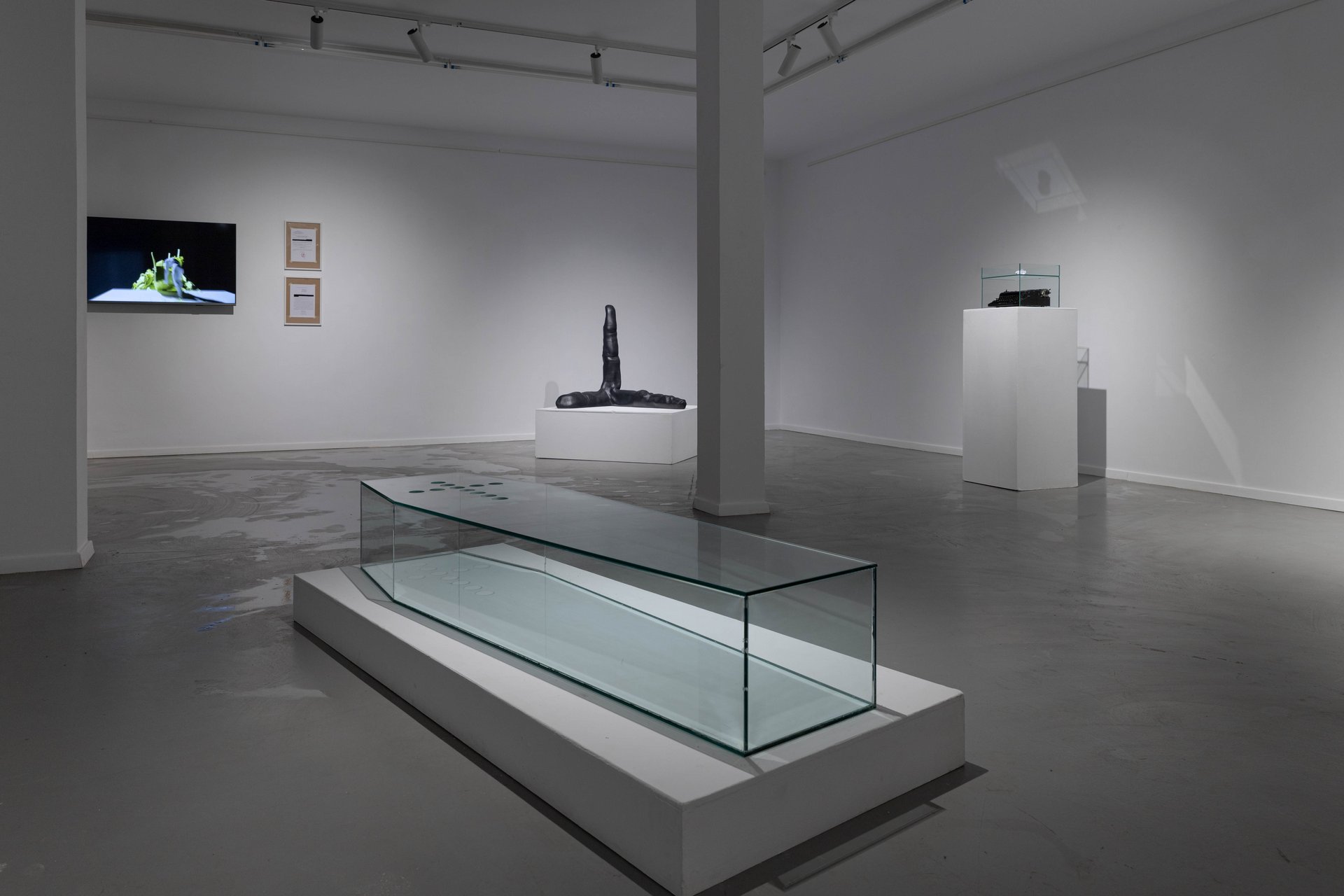
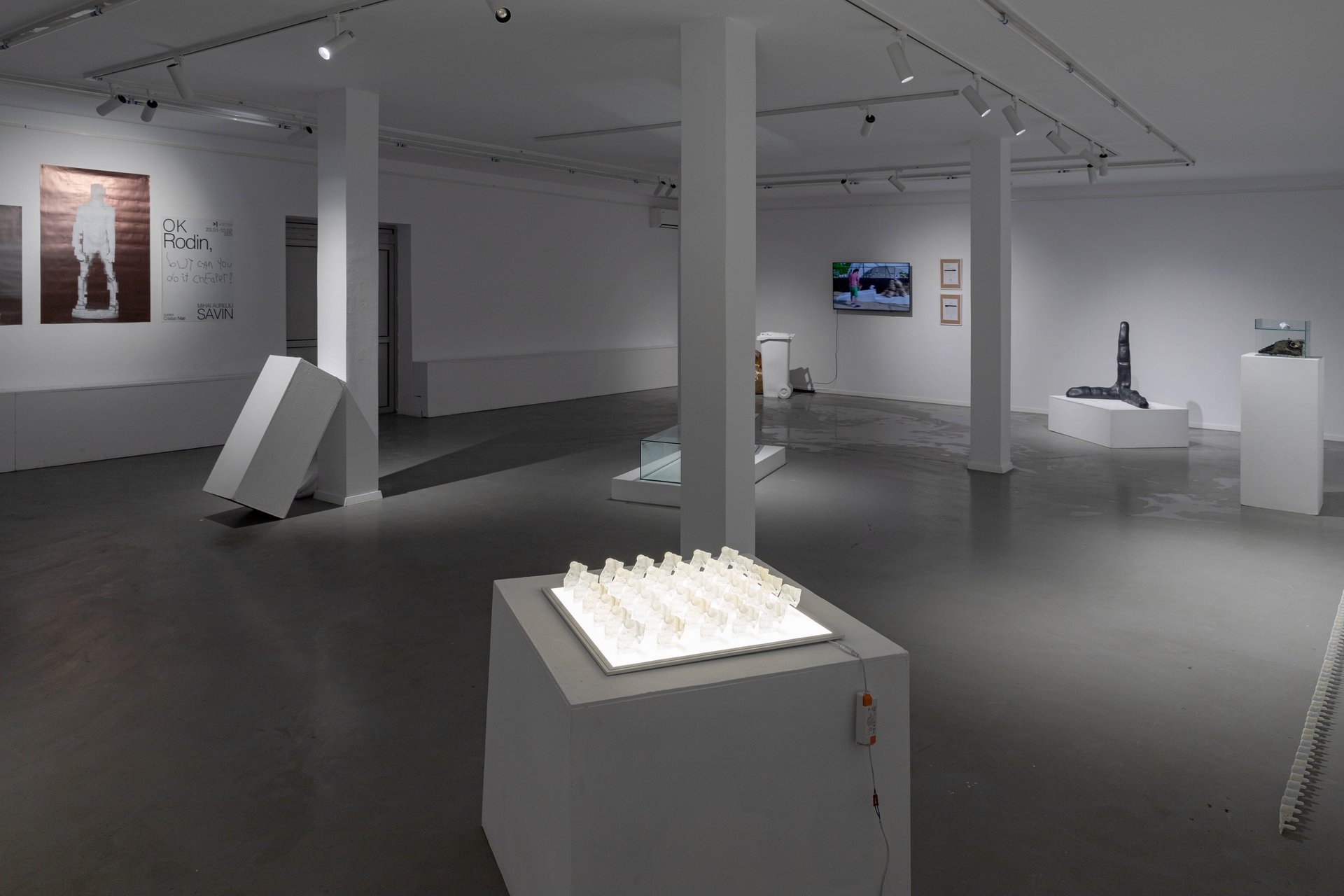
laboratory exhibition proposed by Mihai Savin brings together the systematic
reflections conducted over three years of doctoral research on the contemporary
condition of the sculptural medium and object and, more broadly, of art
as a theoretical object. His approach is post-conceptual, meta-artistic,
and self-reflexive, drawing from the lineage of analytical philosophy and
Kantian-style systematic inquiry into the limits of artistic language, the
artistic categories commonly employed in the contemporary art world, and the conditions
of possibility for the production of an artistic phenomenon.
For Savin,
the phrase “artistic research” is understood as a process through which theoretical
hypotheses regarding the ontological possibility of legitimizing and
actualizing authorial intentions are tested. Artistic projects become exemplifications of potentialities for asserting, performing, documenting, and storing artistic
information. This artistic research project reflects on the dominant
artistic conventions inherited from modernism and postmodernism, as well as
the ontological, ethical, and epistemic conditions under which doctoral
artistic research presents itself and self-legitimizes publicly.
Persistently,
Mihai Savin rigorously and systematically pursues the expansion of the
sculptural medium by defining it in relation to the notion of
information, the history of the medium and its materiality, and various mediators
of artistic information. These mediators include critical and curatorial
texts, the artist statement, the physical and discursive limits of
institutional spaces versus public spaces, and the possibilities for interpretive
reception and legitimization of the artistic proposal by the audience.
Furthermore,
the existence of the artistic object in the digital age becomes a major
focus of his practice, which can be categorized as “superfictive art,” incorporating simulation (of the rules of the artistic game) and artistic
hoax—embraced in the post-Duchampian tradition.
According to this
perspective, the audience itself is understood as an anti- or para-user,
as the artist proposes distancing both the everyday object and the artistic
proposal as a theoretical object from the utilitarian paradigm often associated
with audience behavior in contemporary society.
Holistically,
the notion of accident in the production process (associated with chance
in the Dadaist tradition) is central to his artistic approach. This often
involves simulating conditions for (re)producing and receiving extended
sculptural projects that move from the object-based medium into the realm
of communication and legitimization specific to the art world as an
autonomous social system, yet one connected to other cultural and scientific
fields. The exhibited projects, therefore, test the permeability of the
contemporary art world and, not least, the limits of the academic space in which they are situated.
CRISTIAN NAE