a project made for my daughter.
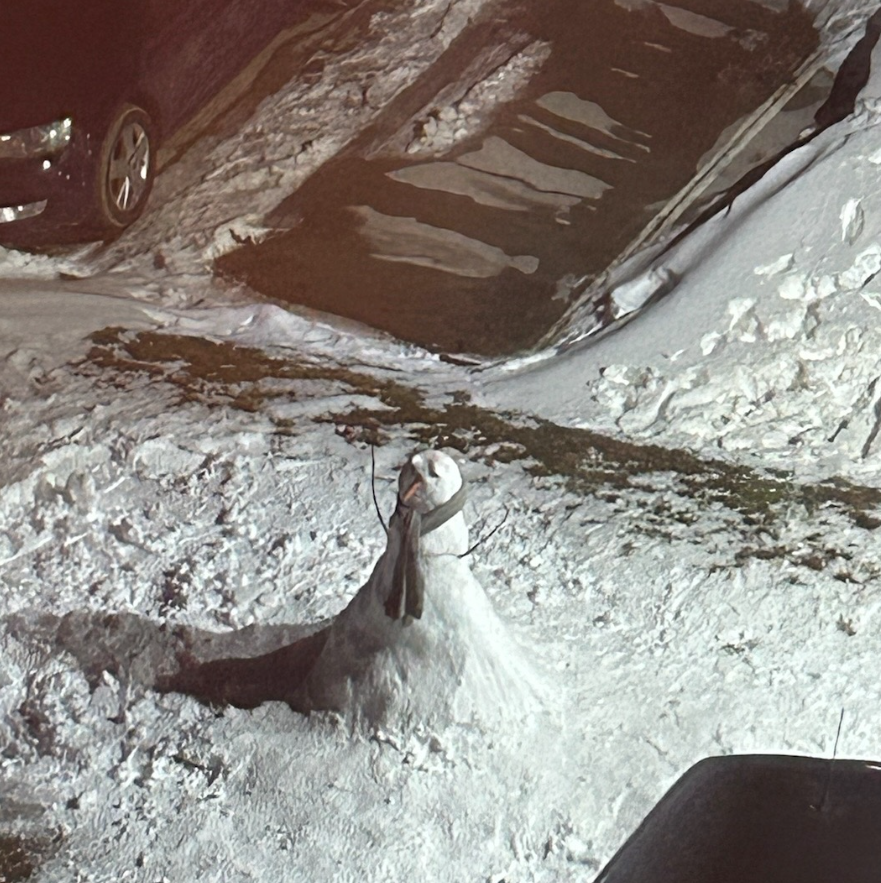
This work originates in a brief episode during the winter of 2025–2026, a season marked by increasingly unstable climatic conditions. During one of the few days in which sufficient snow accumulated, I went outside with my five-year-old daughter and built a snowman in front of our apartment building. Aware that such occasions may become increasingly rare, as they had already become in recent winters, the gesture acquired an unexpected sense of urgency. The snowman functioned not only as a playful experience but also as a fragile index of a seasonal experience that is gradually disappearing.
In order to resist its inevitable disappearance, I documented the snowman using photogrammetry, translating the ephemeral form into a digital 3D model. I then 3D printed the model at a reduced scale and later painted it together with my daughter, introducing a collaborative dimension that echoes the original act of building it.
The work stages a small chain of translations — from snow to data and from data back into a representational object — through which an ephemeral moment is stabilized, albeit imperfectly. While a photograph could have preserved the visual appearance of the snowman, the decision to produce a small object instead maintains a tactile and spatial relation to the original. In this sense, an image records the appearance of an event, whereas an object allows its presence to persist.
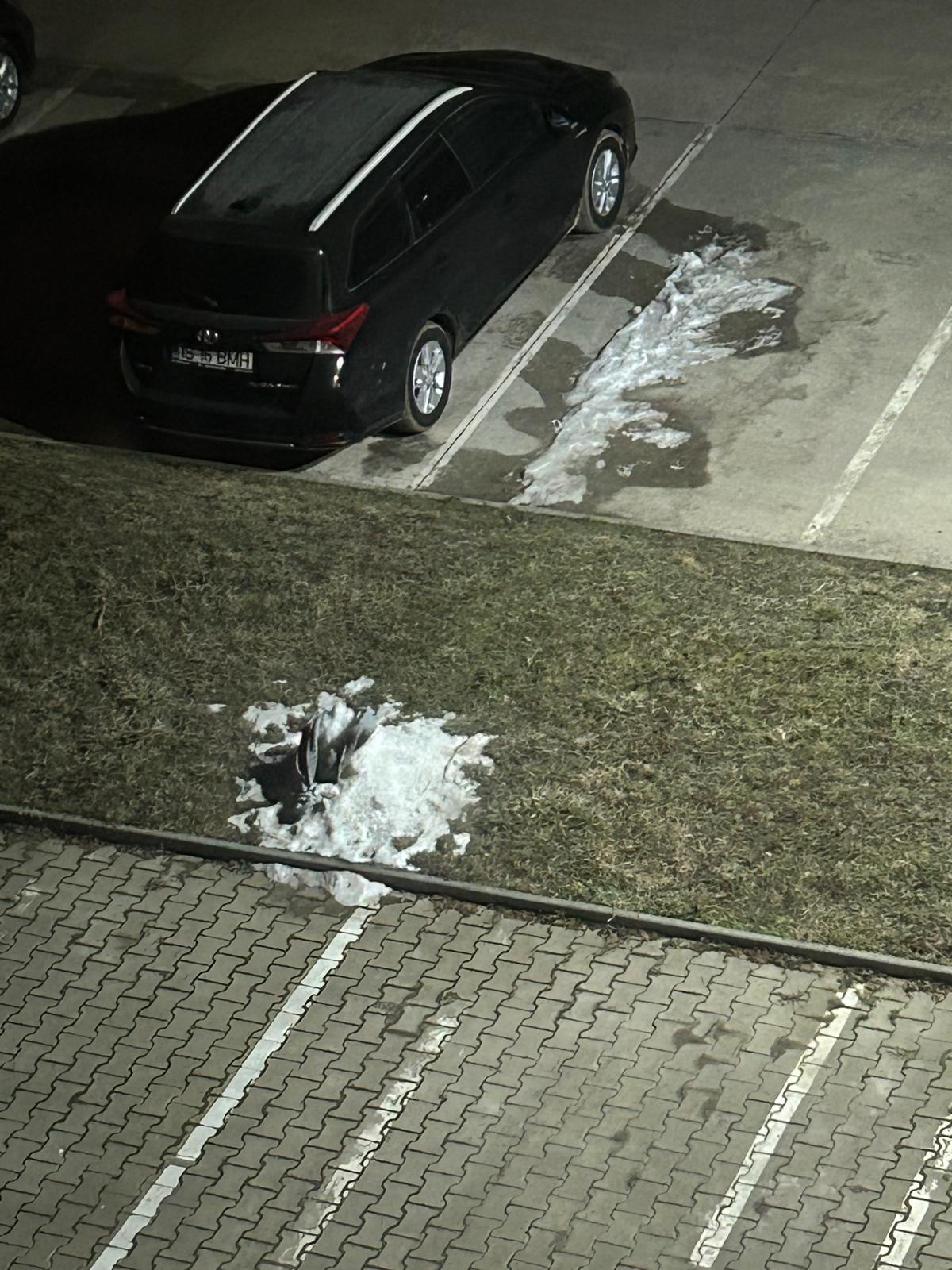
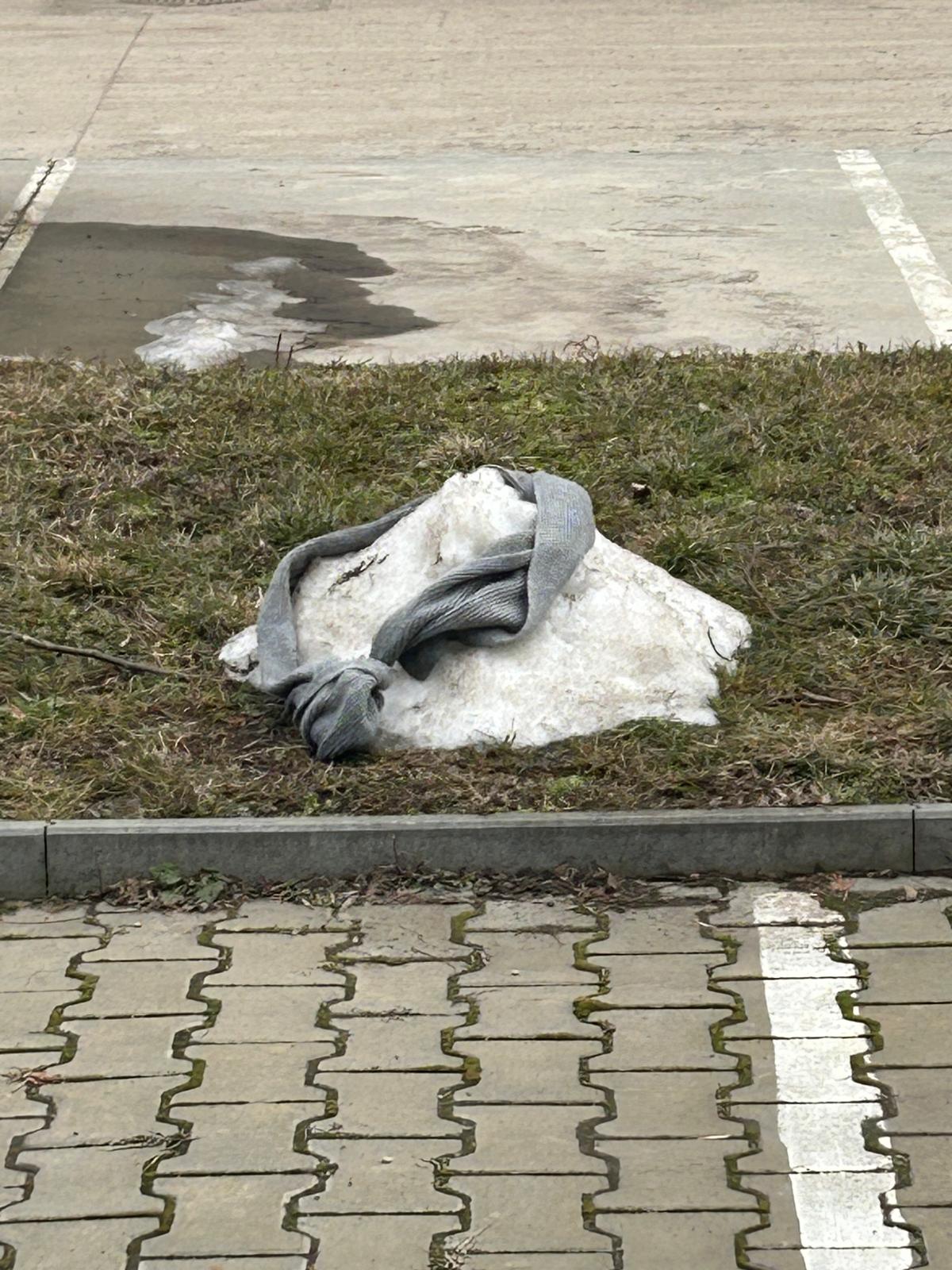
While the original snowman inevitably melted, its digital and material afterlife preserves the trace of that moment. The printed object also assumed an unexpected role afterwards, as my daughter now carries it as a toy. In this sense, it functions as a small transitional object, helping to negotiate the disappearance of the original snowman and the minor experience of loss that accompanies it. What began as a playful act of preservation gradually became a modest reflection on entropy, memory, and the ways in which objects can mediate the experience of disappearance.