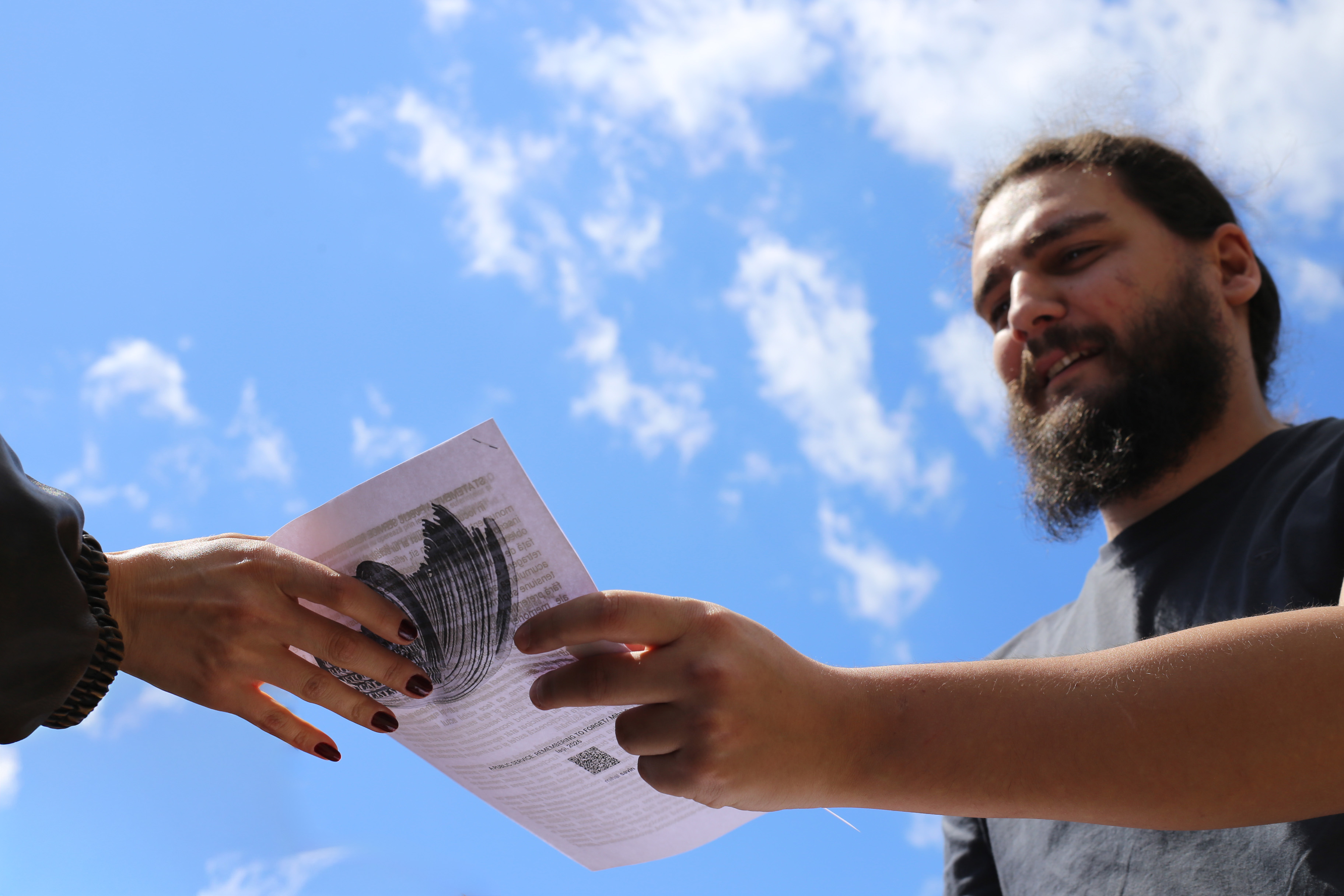
a public performance @Iași, Romania 2026
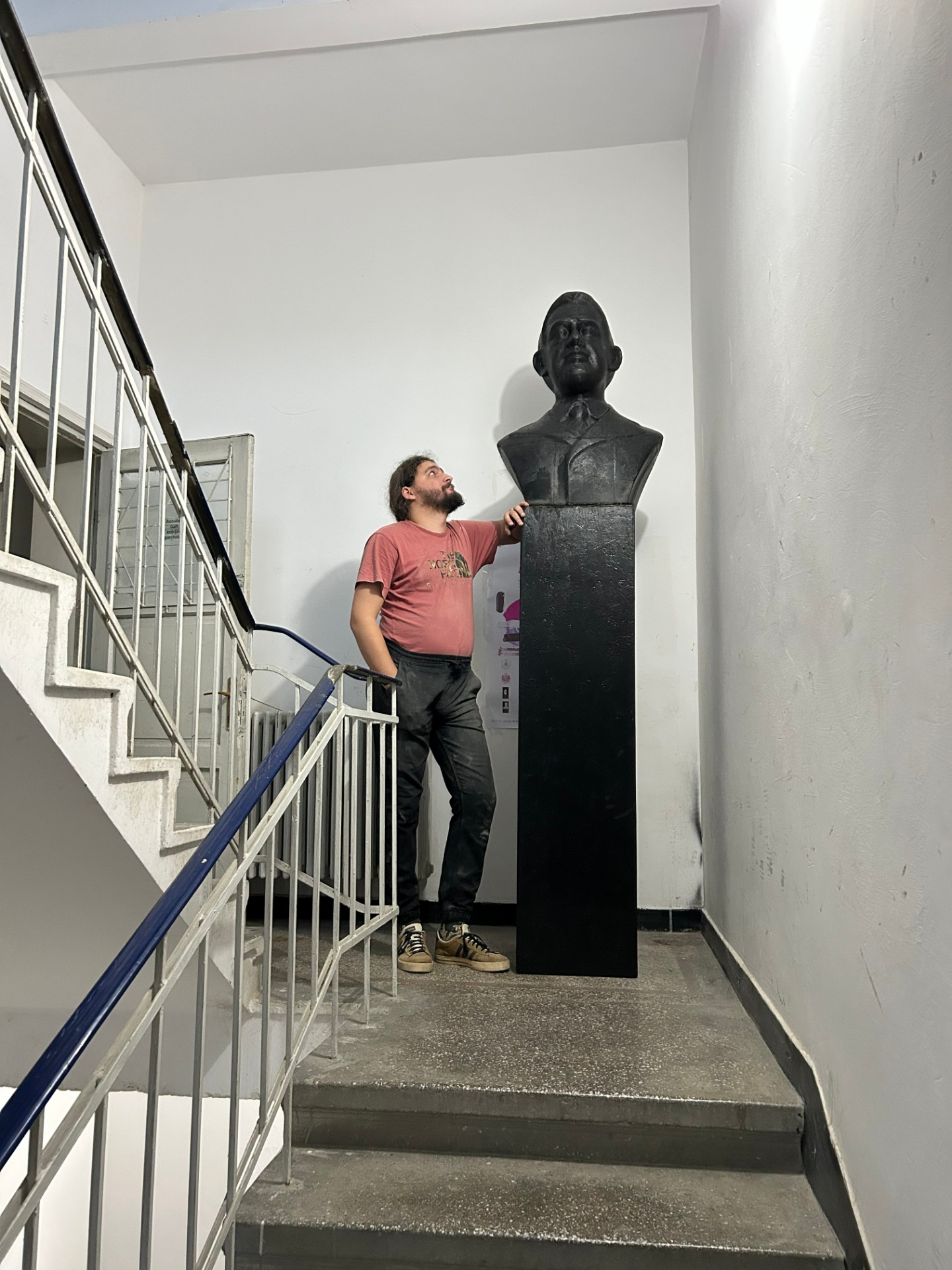
”A Public Service: Remembering to Forget” was a temporary public intervention and performative installation realized on the site of the former bust of Octavian Goga, a Romanian national poet, former prime minister, and far-right nationalist politician whose career was marked by antisemitism and hostility toward ethnic minorities.
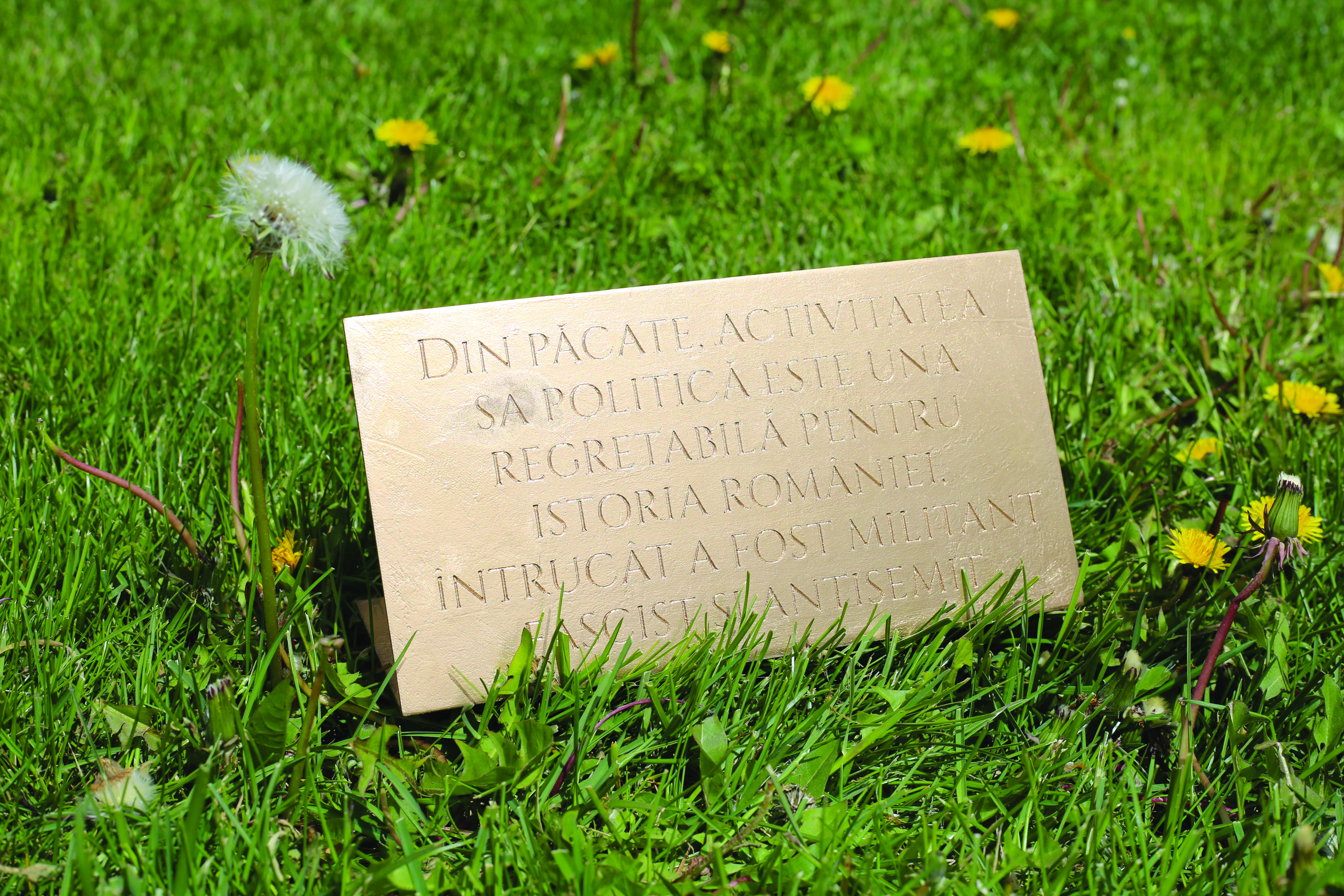
Prior to the monument’s removal, and in response to its controversial reinstallation in public space, I digitally scanned the bust and reproduced it through 3D printing at a 1:1 scale under the title "Not to be reproduced". The deliberate contradiction between the title and the act itself transformed reproduction into a critical gesture, questioning the authority, permanence, and symbolic legitimacy of the figure it commemorated. The project also reproduced a plaque originally installed by the municipality, which acknowledged the regrettable nature of Goga’s political activity. By the time the later intervention took place, the original plaque had itself disappeared from the site.
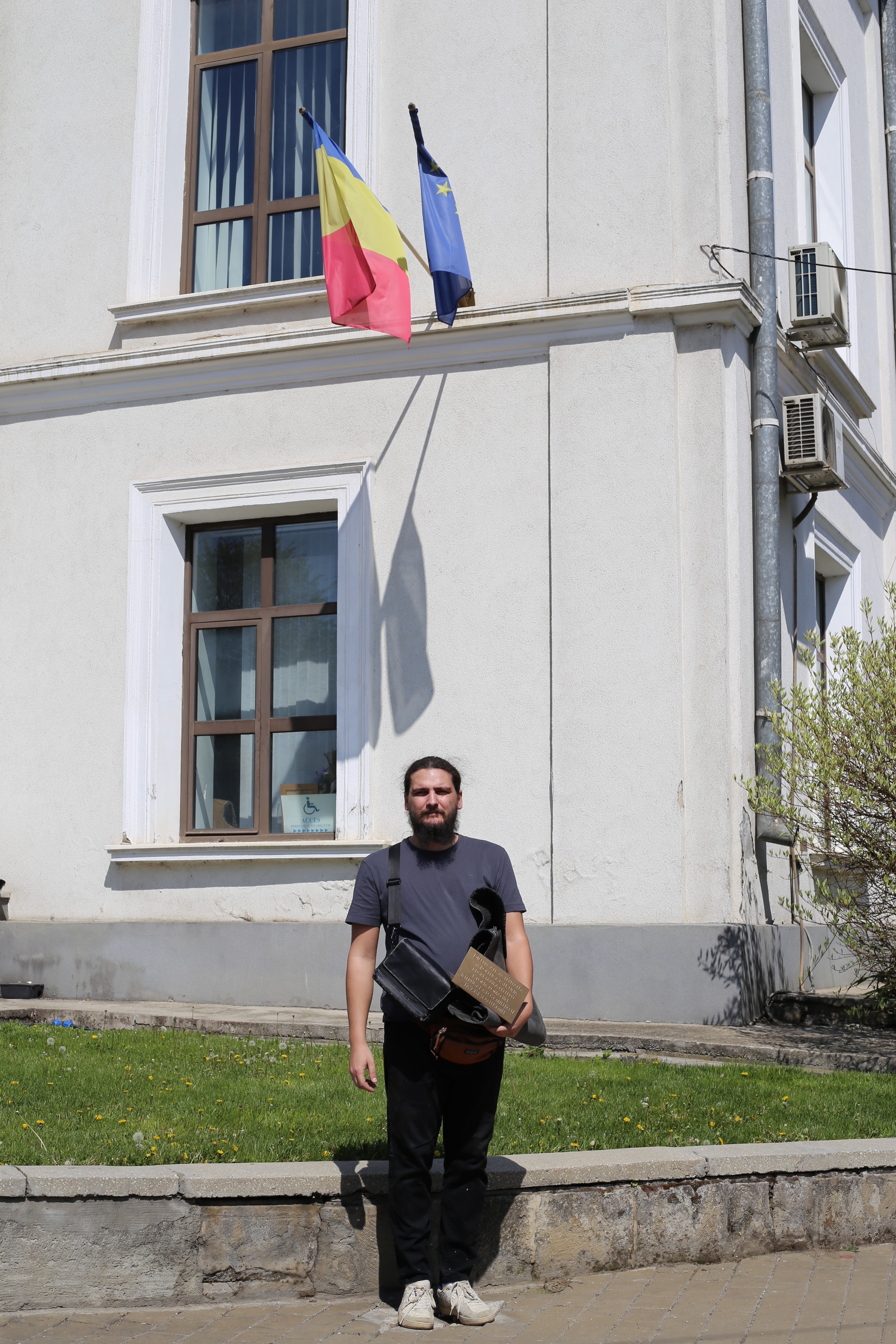
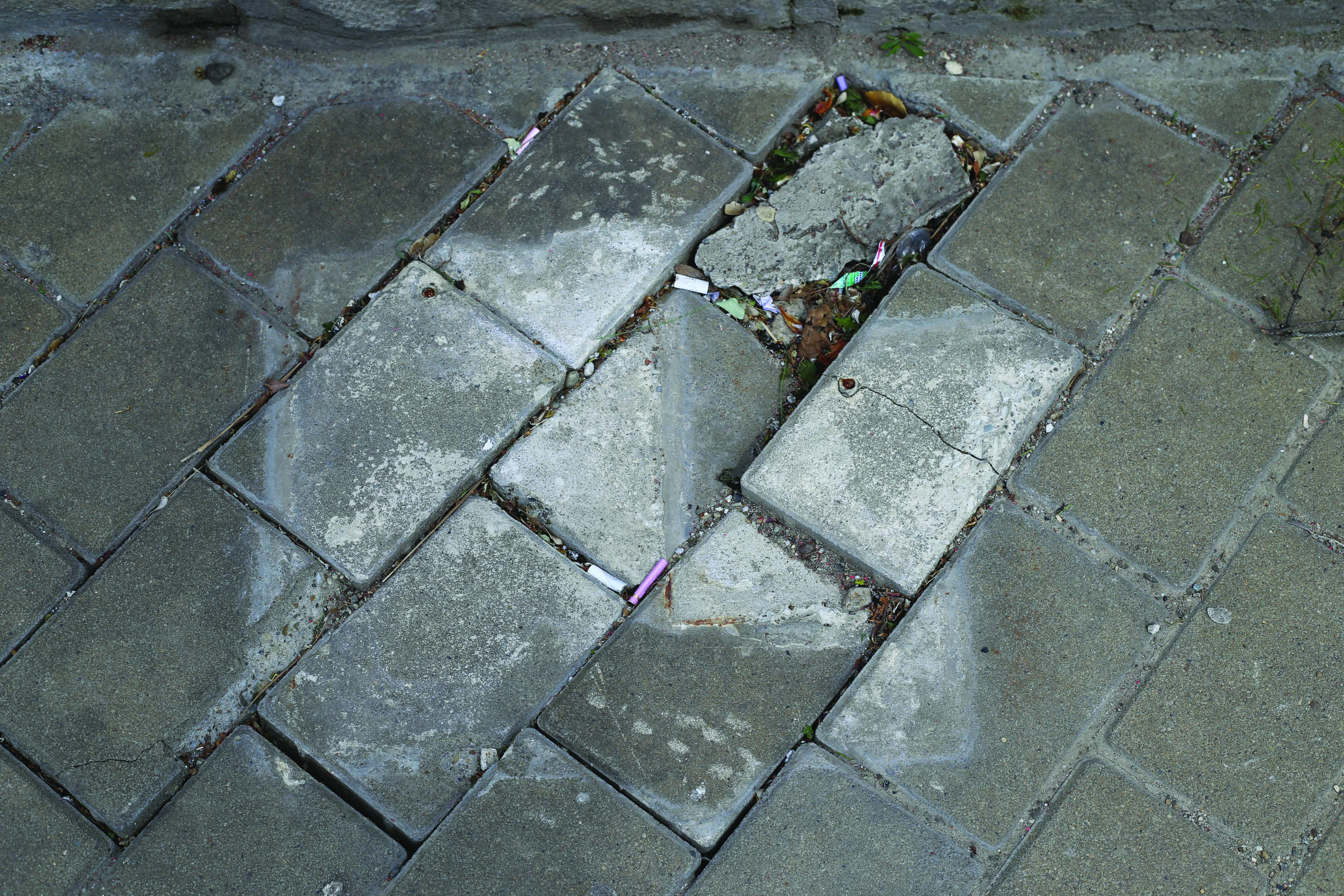
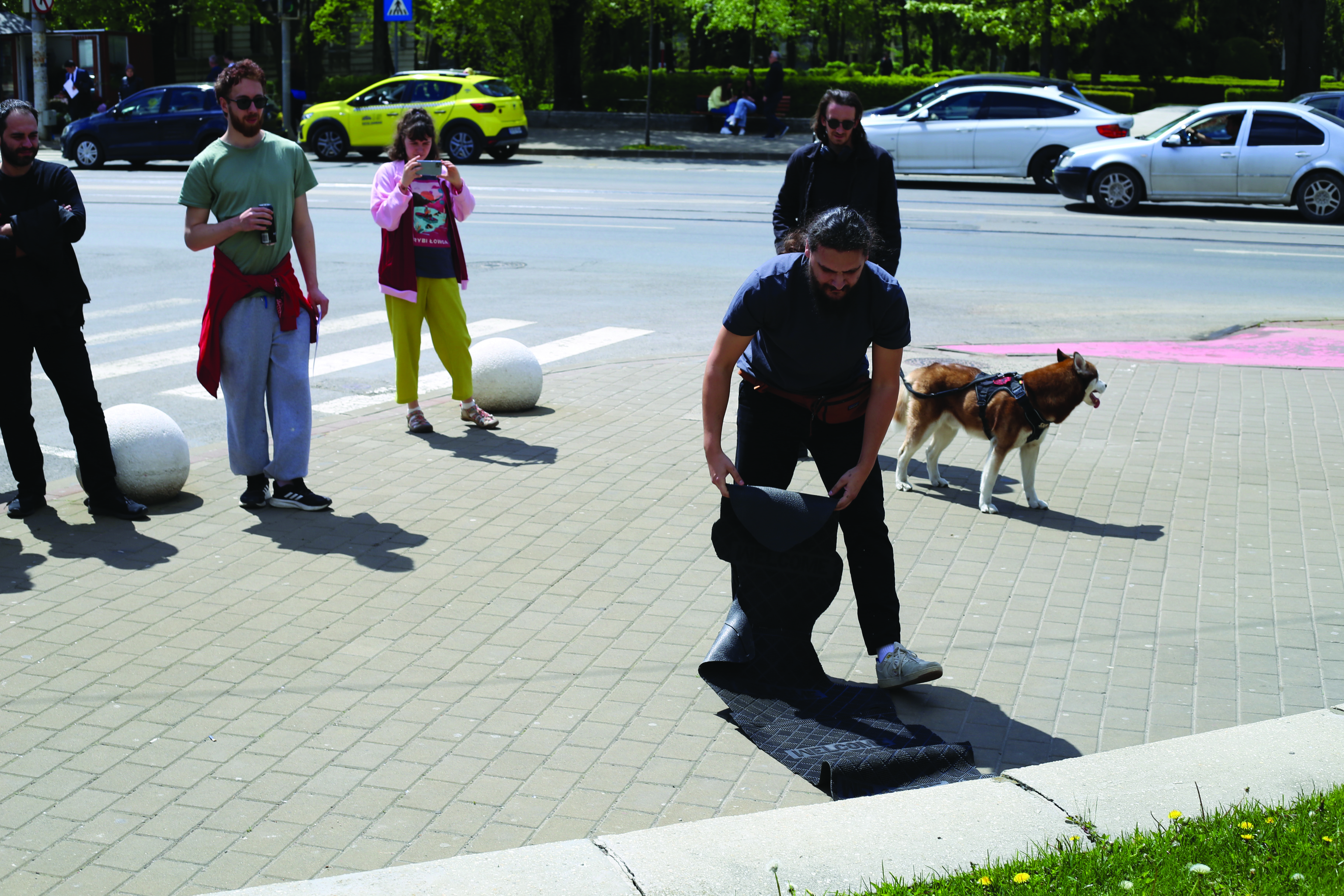
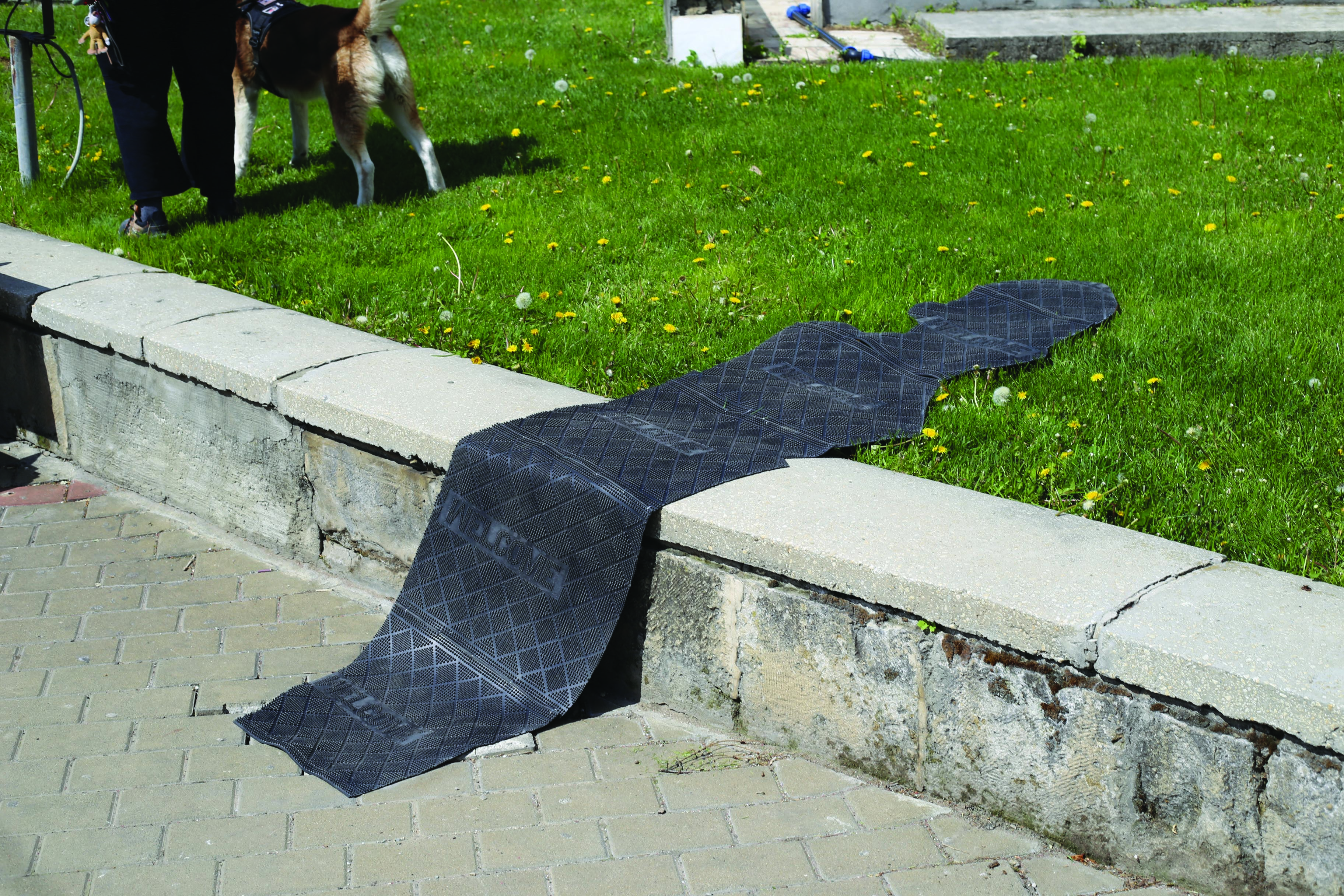
Following the monument’s removal, I returned to the location with ”A Public Service: Remembering to Forget”. The intervention reconstructed, at a 1:1 scale, the monument’s former shadow on the scar left in the pavement after its removal and reintroduced the reproduced plaque. It did not argue for the monument’s return. Instead, it addressed the conditions that allowed its recent reactivation in public space, as well as the asymmetry between its official installationand its later, quiet removal.
The shadow was assembled from multiple black doormats ironically inscribed with the word “Welcome,” turning an ordinary domestic object into the support of a contested memory. The choice of material referred to Goga’s lack of hospitality (to put it lightly) toward minority communities in Romania, visible especially through the policies and political positions associated with his public career. At the same time, the doormat, an object normally meant to receive bodies and erase traces, became a paradoxical memorial surface, one that refused the disappearance of both the monument and the political conditions that had made it possible.
Placed exactly where the former pedestal once stood, the intervention made visible not only the absence of the monument, but also the administrative and symbolic gap left behind by its removal. If the traditional monument functions through presence, volume, and official authority, this shadow operated through absence, contour, and projection. It did not reproduce the bust itself, but its residual effect: an incomplete, fragile, and temporary image of a symbolic persistence that public space had not fully processed.